A yoga pose is a shape.
A person is a whole and changing human being.
They arrive with a personal history, a particular body, a nervous system, responsibilities, injuries, strengths, fears, hopes, and reasons for coming to practice that we may never fully know.
When we teach only the pose, the shape becomes the goal. We begin to measure success by how closely a body resembles an image or how completely someone follows an instruction.
When we teach the person, the pose becomes a possibility rather than a requirement.
This distinction has shaped my work across more than two decades of teaching. I have worked with pregnant students, older adults, veterans, caregivers, people recovering from illness or injury, people living with disabilities, and teachers learning how to serve their own communities.
These experiences have repeatedly taught me that there is no single expression of a pose that is right for every person.
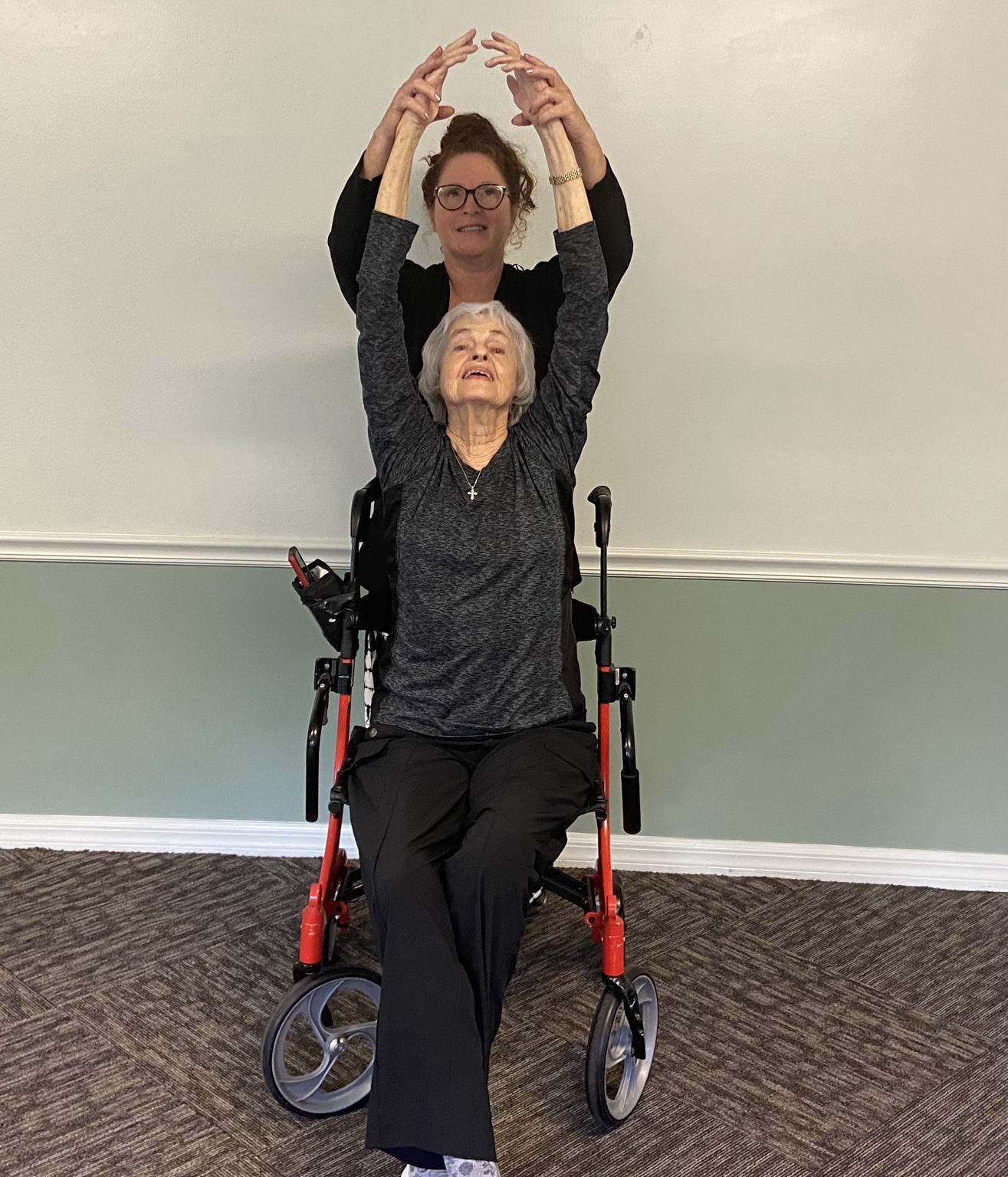
A practice that feels grounding for one student may feel vulnerable to another. A movement that was accessible last year may not be appropriate today. A person may need a chair, a wall, a bolster, a smaller range of motion, or simply permission to rest.
None of these choices makes the practice less meaningful.
Teaching the person begins with curiosity.
Instead of asking, ‘How can I get this student into the pose?’ we might ask: What is this practice intended to offer? What is this person experiencing today? Is there another way to explore the same quality? Could the student find stability, spaciousness, strength, or ease without reproducing the exact shape I had imagined?
This approach changes our language. We offer invitations instead of commands and make room for choice. When students understand the purpose of a movement, they can decide how it belongs in their bodies, or whether it belongs at all.
It also changes our understanding of authority.
As teachers, we bring training, preparation, observation, and experience. But the student remains the person living inside their own body. Respecting that inner knowledge is not a loss of leadership. It is a more collaborative and responsible form of leadership.
Teaching the person also asks us to release assumptions.
We cannot determine someone’s health, mobility, pain, pregnancy experience, emotional state, or capacity by looking at them. Two people of the same age may need entirely different practices. Someone who appears strong may be managing pain or exhaustion. Someone using a chair may have tremendous body awareness and experience.
When we stop assuming, we become better listeners.
This does not mean that every class must become completely individualized or that teachers should work outside their training. It means creating a culture in which variation is normal, choice is respected, and students are not made to feel that adaptation is failure.
It also means being honest about scope. Yoga teachers are not diagnosing conditions or promising cures. We can offer informed movement, breath, rest, attention, and community while collaborating appropriately with healthcare and rehabilitation professionals.
When we teach the person instead of the pose, yoga becomes more accessible and more honest.
Life continually asks us to adapt. Pregnancy changes the body. Aging changes the body. Injury, caregiving, grief, hormones, fatigue, and joy change the body. Even within a single day, our capacity can shift.
A practice built around perfection has difficulty accommodating this reality. A practice built around relationship can travel with us through every season.
This is also at the heart of mentorship.
Good teaching is more than collecting postures, techniques, or credentials. It requires the discernment to recognize what belongs in a particular moment and the humility to know when something does not.
Sometimes excellent teaching means offering a strong movement practice. At another moment, it may mean lowering the lights and helping someone feel safe enough to breathe. It can also mean making a referral, or simply saying less and paying closer attention.
The pose, technique, and preparation still matter. The person matters more.
When that becomes the foundation, students do not have to prove that they belong in yoga. The practice learns how to meet them.